

A session plan for Wincent Wolf
Stake, path, stops and pace — with the arithmetic done for you.
There is an honest version of slot strategy and a dishonest one. The dishonest one sells systems. The honest one starts from the game’s published numbers and turns them into decisions you actually get to make: the stake, the path to the bonus, the stops, and the length of the evening. Wincent Wolf gives you unusually clear numbers to work with, so let us use them.
Pick your stake from the eighteen steps#
The ladder runs 0.20, 0.40, 0.60, 0.80, 1.00, 1.20, 1.60, 2.00, 3.00, 4.00, 5.00, 6.00, 8.00, 10.00, 12.00, 15.00, 20.00, 25.00 and opens on 2.00. Think of it as a session-length dial with a price tag attached to every stop.
| A 100-unit budget | Spins it covers | Natural bonus entries it buys | Wolf’s Luck costs |
|---|---|---|---|
| at 0.20 | 500 | about three | 12.00 |
| at 0.40 | 250 | between one and two | 24.00 |
| at 1.00 | 100 | around two thirds of one | 60.00 |
| at 2.00 | 50 | around a third of one | 120.00 |
The third column is the one that decides your plan, and it comes straight from the published Free Spins rate of 1 in 149.99 spins. A 500-spin session at 0.20 gives that trigger real room; a 50-spin session at 2.00 is asking the Wheel for a favour. Neither is wrong. They want different plans, and the second one points straight at the purchase cart.
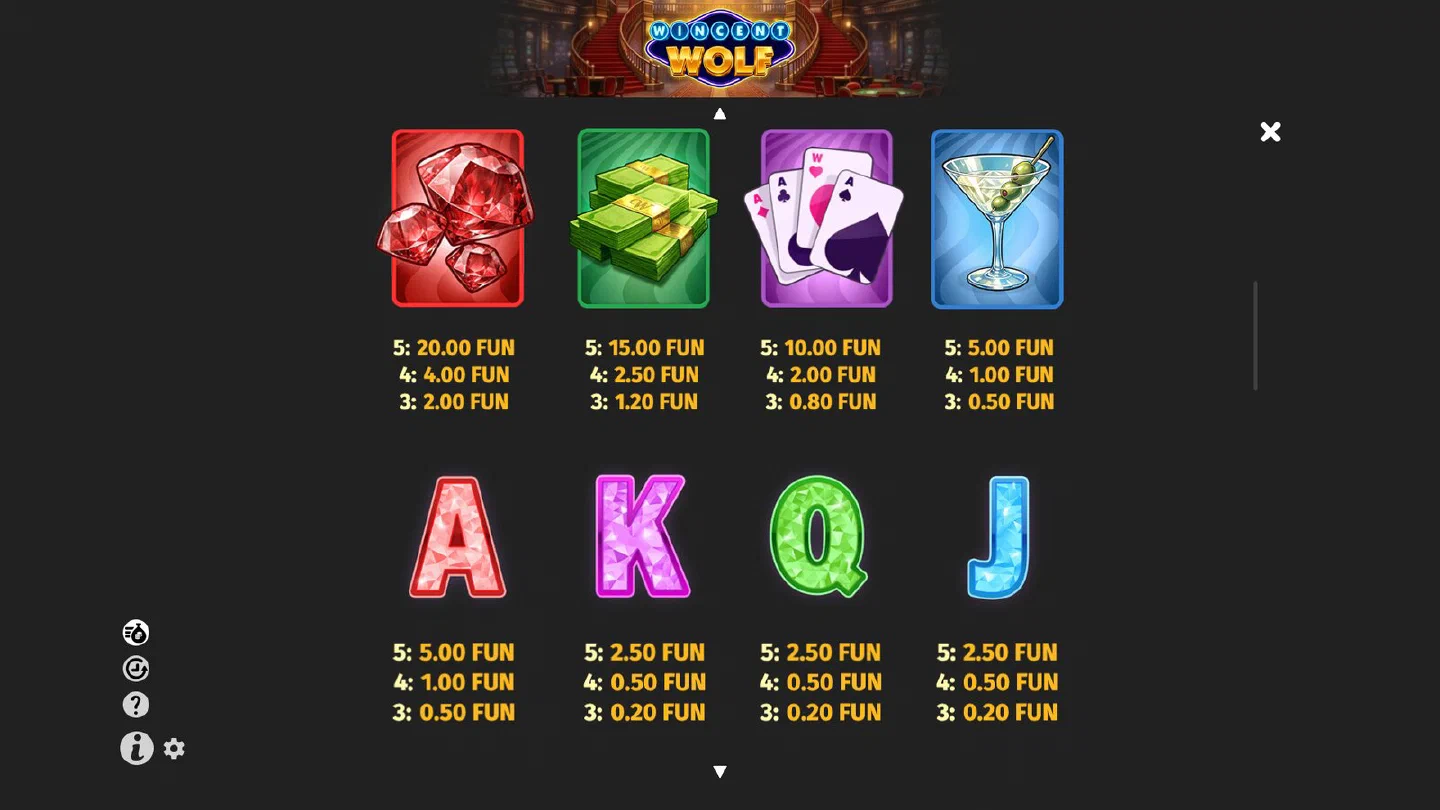
The first column has its own logic. At a hit rate of 1 in 2.99, five hundred spins produce something like a hundred and sixty-seven wins. Price the small end of the table before you decide what that means: three royals pay 2x the bet per line, three of the cash bundle 12x and three rubies 20x, which at 0.20 a spin is 0.02, 0.12 and 0.20. That drip is what keeps a low-stake session alive long enough for the bonus to arrive, and it is also why the bottom of the ladder is the only place a hundred units behaves like an evening.
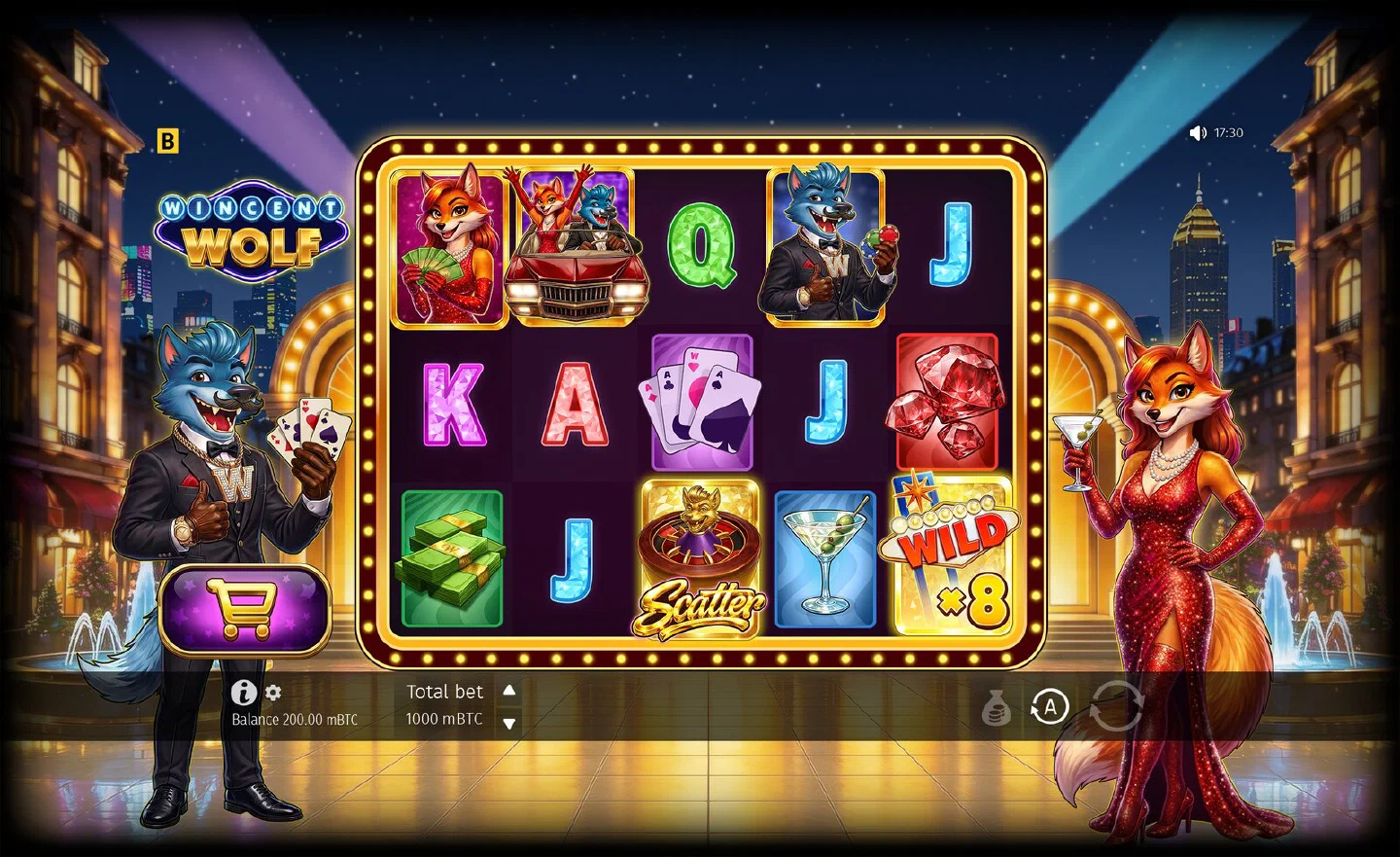
Wolf’s Luck or Chance x2: choosing your path#
One purchase buys the round. The other buys better odds of reaching it. Both carry the same 97% return as the base game, which removes the usual worry about buy-feature maths.
| Path | Price | What you get | When it earns its price |
|---|---|---|---|
| Wait for it | Free | The natural trigger, around 1 in 149.99 spins | Long sessions at a low stake, where the ladder gives the trigger room |
| Chance x2 | 1.5x the total bet | A higher chance of activating the Free Spins on that spin | Medium sessions, when you want a nudge across a handful of spins |
| Wolf’s Luck | 60x the total bet | The Free Spins round immediately, Wheel included | Short sessions, and any time you would rather own the bonus than hope for it |
The number to hold on to is sixty. A Wolf’s Luck purchase costs sixty ordinary spins at whatever step you are on, and the average wait for a natural trigger is about a hundred and fifty spins. Set those side by side and the trade reads clearly: the purchase is frequently the shorter road to the same round, and it gets more expensive in absolute terms as you climb.
| Your stake | Wolf’s Luck | Chance x2 | What 60 spins would have cost |
|---|---|---|---|
| 0.20 | 12.00 | 0.30 | 12.00 |
| 0.40 | 24.00 | 0.60 | 24.00 |
| 0.80 | 48.00 | 1.20 | 48.00 |
| 1.00 | 60.00 | 1.50 | 60.00 |
| 1.60 | 96.00 | 2.40 | 96.00 |
| 2.00 | 120.00 | 3.00 | 120.00 |
| 5.00 | 300.00 | 7.50 | 300.00 |
| 10.00 | 600.00 | 15.00 | 600.00 |
The last column is deliberately identical to the first, because that is the whole point: 60x the bet is exactly sixty spins. What changes is what you get for them. Sixty spins buy you about forty per cent of an average wait; the purchase buys the round outright, Wheel and all.
Chance x2 plays a different game. At 1.5x the total bet it adds half a stake to the spin you were making anyway, so it is something you switch on for a run of spins rather than a single event: 3.00 instead of 2.00, twenty times over, is a 20.00 experiment. And because only one purchase runs at a time, the two paths are alternatives, never a combination.
There is a third thing the table does not show, and it belongs in the plan rather than in the arithmetic: what you are buying is a Wheel, not a result. Wolf’s Luck opens the Free Spins round, and the Wheel of Fortune then decides its length exactly as it would have done on a natural trigger, stopping on one of 6, 8, 10, 12, 15, 17, 18 and 19. Two purchases at the same price can hand you a six-spin round and a nineteen-spin round. Budget for more than one if the purchase is the plan, or the plan is really a single coin toss with a price tag.
One check before any of this survives contact with a lobby. The purchases, the auto mode and quick spin can each follow an operator’s licence settings, so confirm the cart is there before you build an evening around it. The twenty-line base game, the Wheel and the sticky Wilds are the same either way.
Set the stops before the first spin#
The Autospins panel is the most underused tool in this game, and it is the one place where a plan becomes mechanical rather than a matter of willpower. Alongside the spin count it carries the four stop conditions listed in full on our responsible gambling page , and two of them do real strategic work.
A stop on the bonus hands the Wheel of Fortune back to you. Since the Wheel decides the length of your round before it starts, and reaches 19, that is the one moment of the session you want to be present for. A stop on a balance decrease is your budget expressed as a setting instead of an intention; put the number you decided on before you sat down into the box and the panel holds it for you.
Used together, a spin count you are comfortable committing plus those two stops turns autoplay from a convenience into a limit switch. Quick spin lives in the same settings panel for players who like a faster rhythm.
Set the spin count against the number that matters rather than a round figure. Free Spins arrive 1 in 149.99 spins on their own, so a run of a hundred and fifty spins is roughly one average wait: at 0.20 that is a modest commitment, at 2.00 it is a considered one, and at 5.00 it is a short evening on its own. Choosing the count first and the stake second is the version of this decision that keeps both in your hands.
What medium-high actually asks of you#
BGaming rates Wincent Wolf medium-high, and the two published frequencies show what that means at the table. A win lands 1 in 2.99 spins, so the base game is busy and the balance moves constantly. Free Spins land 1 in 149.99 spins, so the big events are spaced out.
The practical consequence is that your bankroll plan should be built around the second number and your patience around the first. Budget for a hundred and fifty spins at your chosen stake, then decide in advance what you will do if the Wheel has not arrived by then: spin on, buy, or stop. Writing that branch down before you start is the whole of the strategy.
There is a second consequence, and it is the one that decides which stake you should actually sit on. Because the wait is measured in spins rather than in money, the cost of that wait is your stake multiplied by it. At 0.20 an average wait is a small number of units; at 25.00 the same number of spins is a different order of evening entirely, with the same 97% behind both. The ladder is not a difficulty setting. It is a speed setting, and the number it changes fastest is how much a patient strategy costs to run.
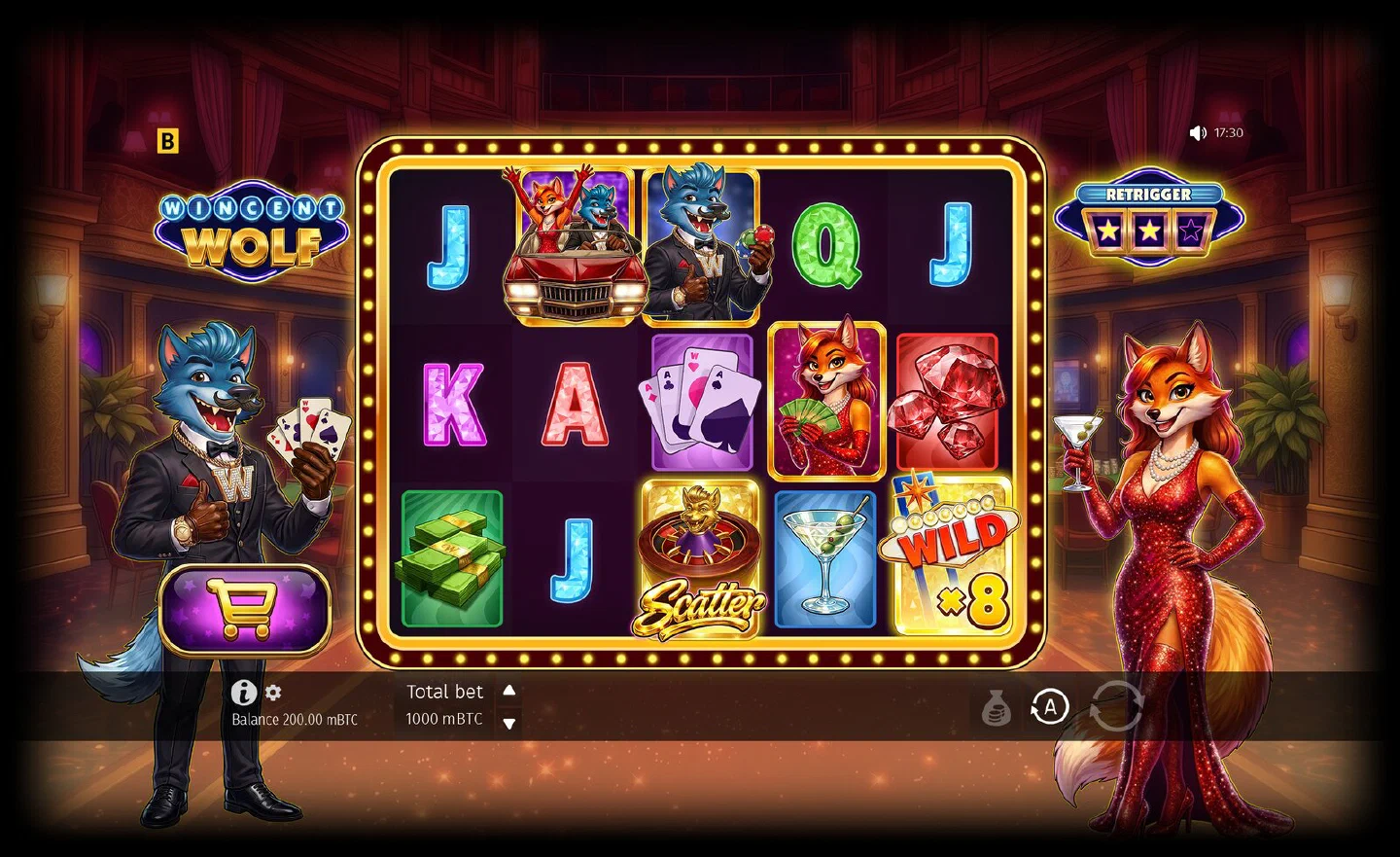
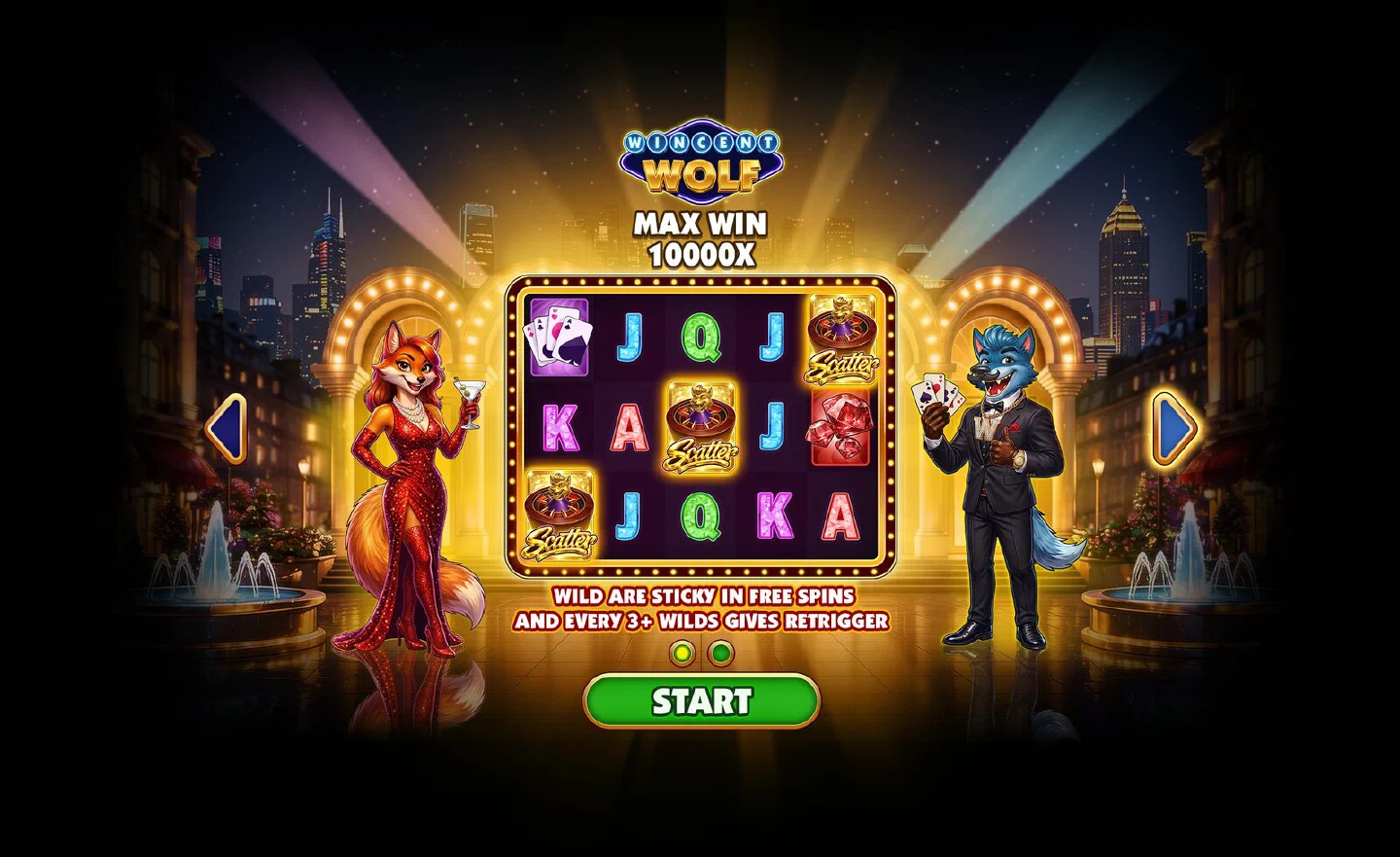
When the round does arrive it pays for the wait. The Wheel can open on 19 spins, every Wild inside the round sticks with its multiplier, and every third Wild collected adds 3 spins while doubling every multiplier on the grid, up to three retriggers, so a line carrying an x2 and an x3 goes x5, x10, x20, x40. That staircase is the published path to the 10,000x ceiling, which is 20,000 at the 2.00 default and 250,000 at the 25.00 top step.
The part no plan changes#
The 97% return belongs to the game. It is measured across an enormous number of rounds and it describes the build rather than your evening. Every spin is produced by a certified random number generator, so each result stands alone while the sequence behind it stays in the past. The rules add their own housekeeping beside that: an unfinished round is closed out within 24 hours, which is a comfort rather than a tactic.
The same goes for the ceiling. A 10,000x round is live on any spin of the bonus rather than something an evening accumulates towards, so playing longer does not walk you closer to it. What playing longer does do is spend more, and that is the only part of the arrangement a plan can govern.
So keep the plan where it belongs: on your side of the screen. Choose the stake, choose the path, set the stops, decide the finish line. Then open the table and enjoy the game exactly as far as you meant to.
18+. Set your limits first in the responsible gambling page , check the full numbers on the RTP page , see every trigger on the features page , or head back to the Wincent Wolf hub .